 Easten Mediatech
What the latest review found
On 1 November, CAQM reviewed recent farm-fire reports with officials from seven Punjab districts.
The districts named were Faridkot, Ferozepur, Barnala, Bathinda, Patiala, Malerkotla and Sangrur.
Officials were asked to strengthen monitoring, farmer outreach and the use of residue-management machinery.
Why this matters beyond one district
Paddy harvesting leaves a narrow window before the next crop, so residue handling can become a time-sensitive cost.
Smoke can also worsen regional air-quality conditions, affecting people far beyond the farm where it began.
The public discussion should acknowledge both health risks and the practical constraints farmers face.
What a workable response needs
Earlier CAQM guidance called for field teams, district coordination and access to crop-residue machines.
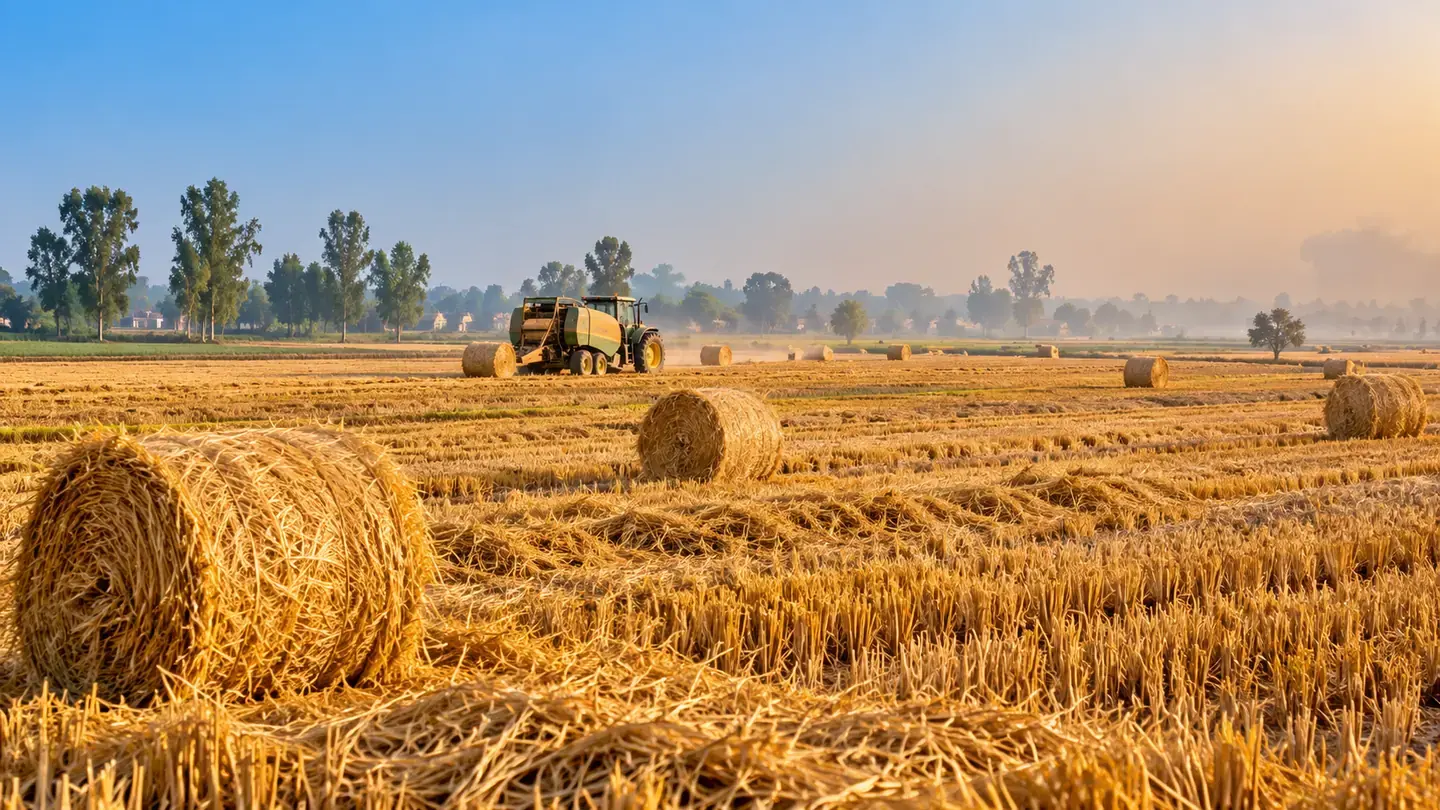
A useful local check is whether a baler or other appropriate equipment is available when a farmer actually needs it.
Districts should publish clear routes for farmers to request help and report gaps without confusion.
Enforcement alone is unlikely to solve a logistical problem if equipment and collection remain hard to access.
How to read the numbers carefully
A one-day spike can signal urgency, but it does not by itself establish the full season's trend.
Compare incident totals over the same dates and use official monitoring data before drawing wider conclusions.