 Easten Mediatech
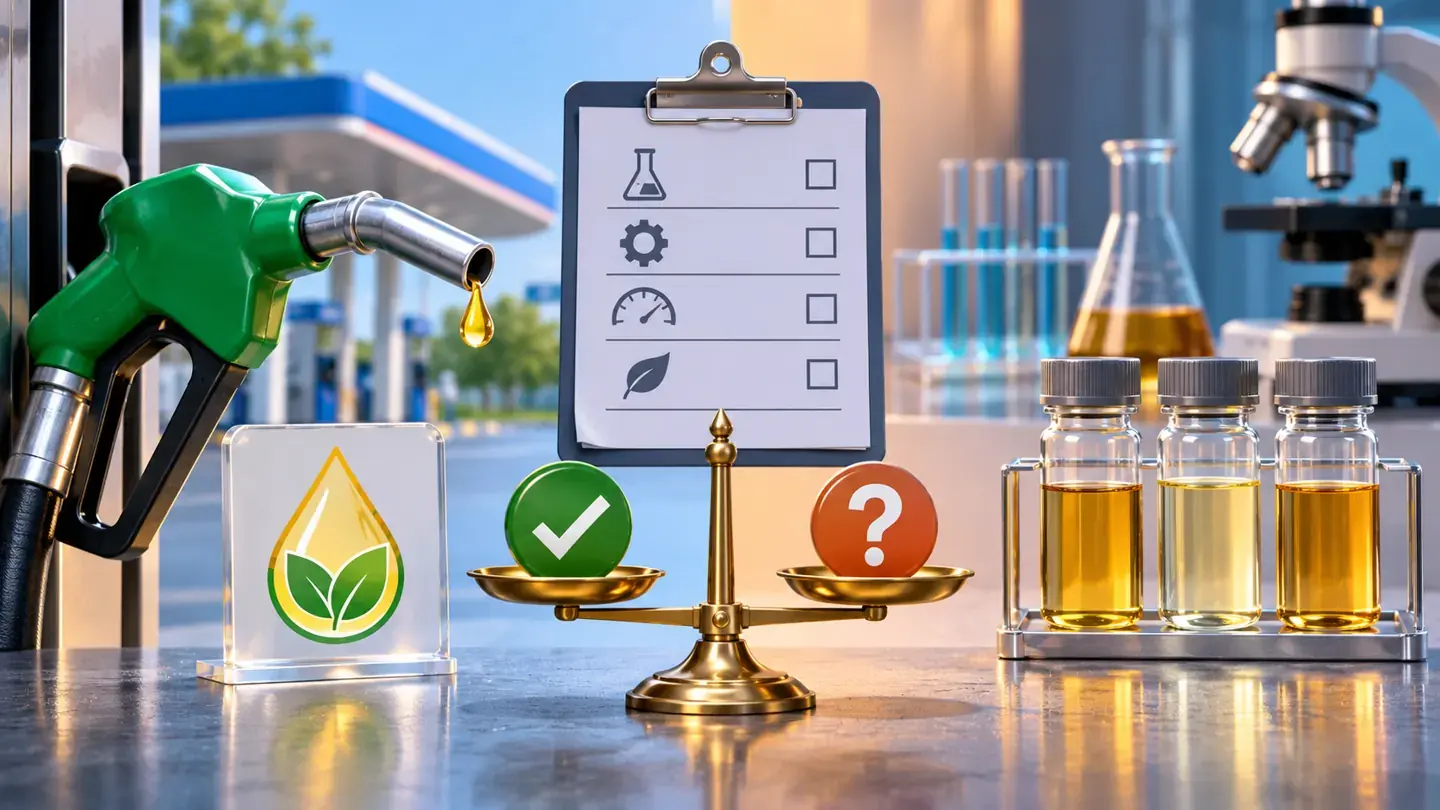
What the two sides say
Karnataka officials say some tested petrol samples had ethanol above the E20 level.
Public oil companies dispute that conclusion and question the sampling and testing procedure.
The petroleum ministry says its separate review found 893 samples across 27 states and UTs within norms.
It says 56 of those samples were from Karnataka and were also compliant.
These are competing accounts of different testing exercises, not a settled finding about every pump.
Why sampling method matters
A fuel result is useful only when its location, date, collection method and chain of custody are clear.
The laboratory method and the rule used to judge compliance also need to be stated.
The oil companies have called for joint sampling and independent testing under prescribed standards.
Karnataka says its investigation is expanding through the distribution chain.
What motorists can do now
Avoid treating a viral percentage as proof that fuel at your own pump is outside specification.
Keep purchase details if you have a specific quality complaint, including the station and time.
Ask the fuel retailer or relevant consumer authority for the formal complaint and testing route.
Vehicle problems can have many causes; a mechanic's diagnosis should not be replaced by speculation.
What would resolve the dispute
A jointly observed test with published methods, sample details and full results would be more persuasive.
Until that happens, report the state claims and ministry response separately.
Consumers deserve a clear explanation of both the quality standard and the evidence behind it.