 Easten Mediatech
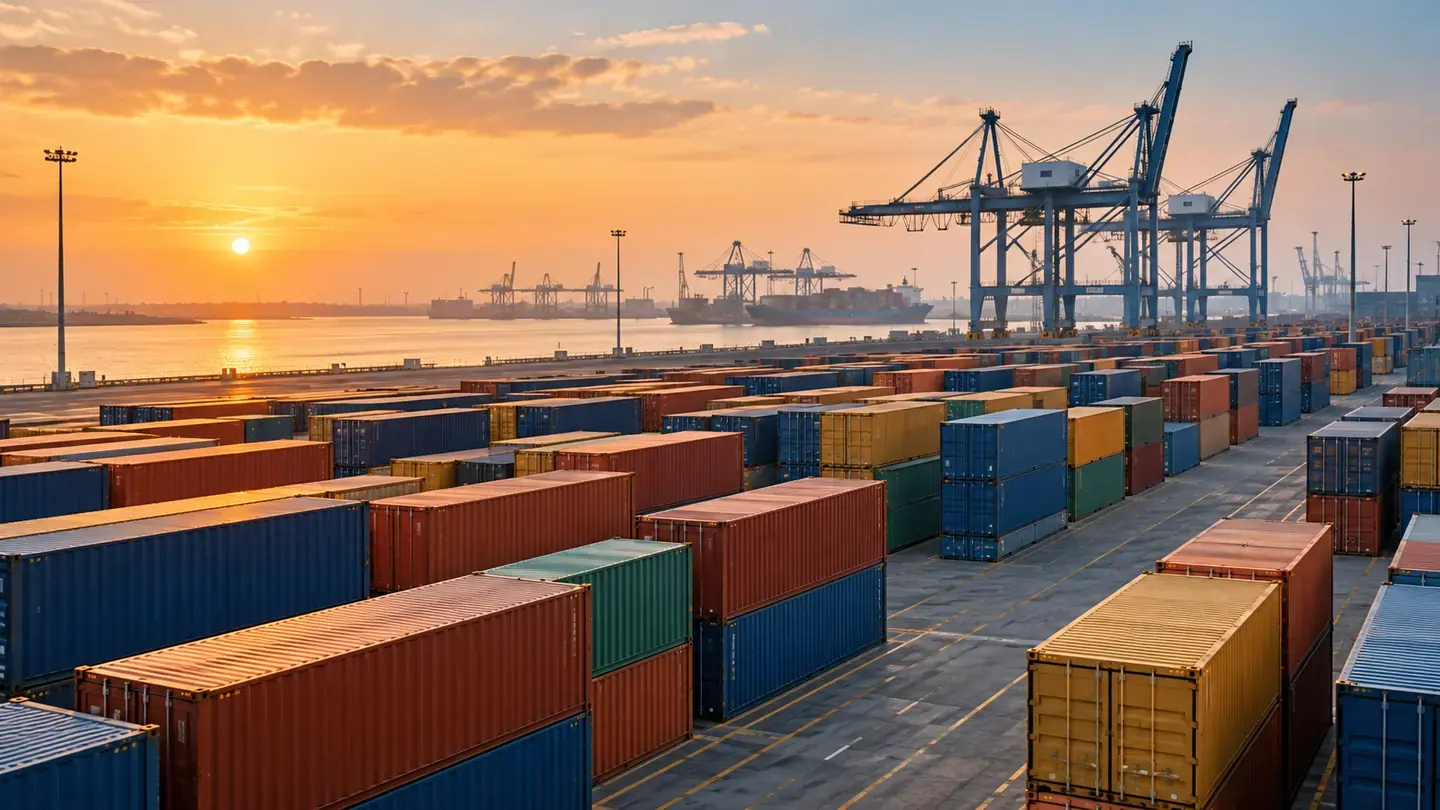
The Cabinet decision
On 28 October, the Union Cabinet approved the Rs 10,000 crore Container Manufacturing Promotion Scheme.
The government's stated aim is to expand domestic capacity and reduce reliance on imported containers.
A Cabinet approval is a policy decision. It does not mean every announced project or applicant is already funded.
What the scheme proposes
The official release sets a period from FY 2027-28 through FY 2039-40, including setup and production support.
It covers new factories and expansion of existing units, subject to forthcoming guidelines and eligibility.
Support areas include eligible loan interest, production-related operating costs, testing and certification.
The government targets annual capacity of 7.5 lakh TEUs, up from about 70,000; this is a target, not a result.
Why exporters and suppliers should care
Containers are a basic input to international shipping, and procurement costs can affect the wider trade chain.
Specialised steel, corner castings, paint and testing services may see opportunities if local production grows.
Business Standard notes a cost gap between domestic and imported units, which support aims to address.
That gap, demand and commercial viability will still depend on execution, standards and customer orders.
A sensible next step for businesses
Manufacturers should wait for formal application guidelines before assuming eligibility or quoting subsidy amounts.
Map planned capacity, financing, domestic-content requirements and certification needs against the final rules.
Suppliers can assess their own quality systems and potential buyers without promising guaranteed orders.
Government job and output figures are projections. They should not be reported as already achieved.