 Easten Mediatech
What the Cabinet approved
On 4 November, the Union Cabinet approved viability-gap support for grid-scale energy storage.
The announced outlay is Rs 14,500 crore, with a target of 92 GWh of storage capacity.
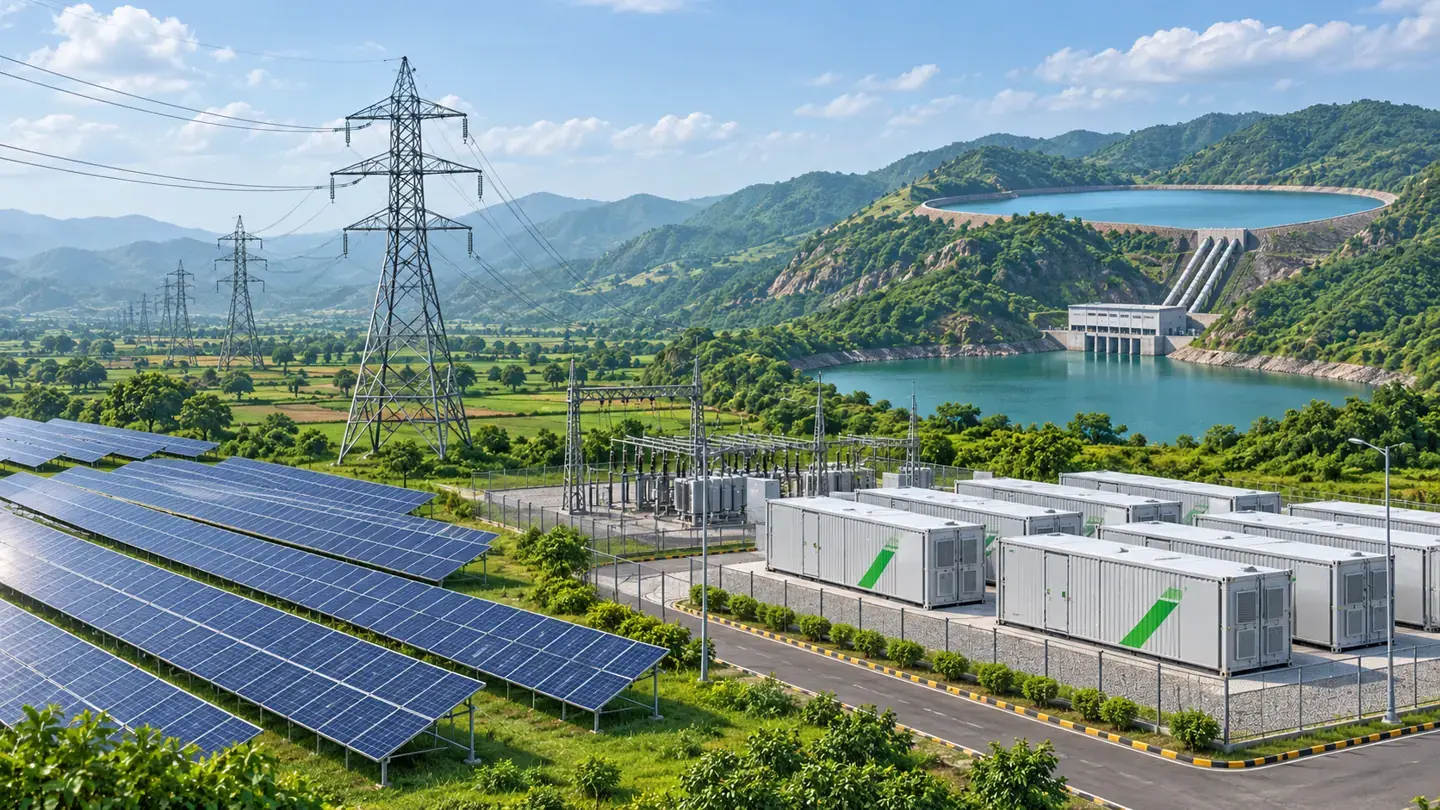
The plan allocates 60 GWh to pumped hydro, 30 GWh to batteries and 2 GWh to other technologies.
Approval is a funding decision, not a claim that those facilities are already operating.
Why storage matters
Solar and wind output changes through the day. Storage can shift some electricity to hours when it is needed.
Pumped hydro moves water uphill when power is available and releases it later through turbines.
Batteries can respond quickly, but their value depends on location, duration and grid needs.
The scheme could help integrate more renewable power if projects are built and operated as planned.
What businesses should watch
Procurement rules, project locations and commissioning dates will determine when benefits become tangible.
The battery component includes a stated 40% domestic-content requirement.
Manufacturers and suppliers should check tender documents before making investment decisions.
Consumers should not assume this approval means an immediate reduction in their electricity bill.
A useful next-step checklist
Track tenders and awards, not just the headline capacity target.
Look for clear reporting on completed capacity, operating hours and actual grid performance.
Compare project costs and consumer effects when regulators publish those details.
That is how an approved scheme becomes a measurable public outcome.