 Easten Mediatech
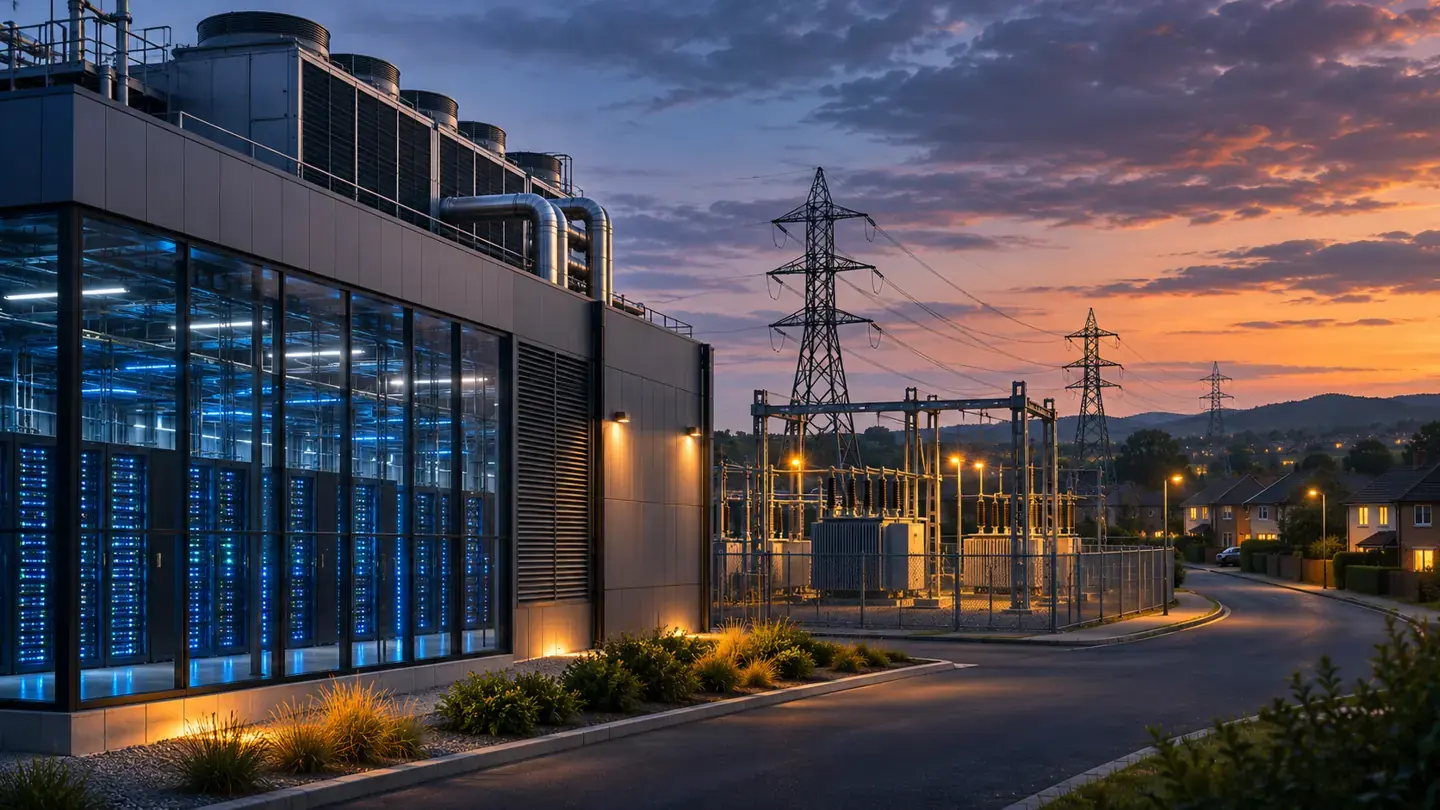
Why the debate has become more local
AI services depend on data centres, but a server building is also a large user of electricity and cooling.
The International Energy Agency says investment is rising while communities worry about prices, water and emissions.
Its October report examined policies across 34 jurisdictions covering most global data-centre capacity.
A recent Associated Press report showed that US election results changed investor expectations for this sector.
That market reaction is not proof that any specific project or law has changed.
Separate global numbers from local effects
The IEA projects data-centre electricity use could roughly double between 2025 and 2030.
A global forecast does not tell a town whether its grid has spare capacity or who will fund an upgrade.
The answer depends on the exact site, connection agreement, power source, cooling method and public safeguards.
Project sponsors should publish these details before asking communities to accept broad promises.
Five useful questions for a proposed site
What is the expected peak electricity demand, and how will it change as the site expands?
Which grid upgrades are needed, who pays for them, and could other customers face higher costs?
How much water will cooling require, especially during hot or dry periods?
Will the operator report actual energy, water and emissions after the site opens?
What local jobs, tax benefits and complaint channels are promised in writing?
The practical lesson for technology buyers
Businesses choosing AI services should ask providers for measurable energy and resilience information.
A credible sustainability claim names the boundary, method and reporting period, not just a green slogan.
The issue is not simply for or against AI; it is whether benefits and local costs are visible and fairly managed.
Clear evidence will make better decisions possible for residents, regulators, investors and customers.